


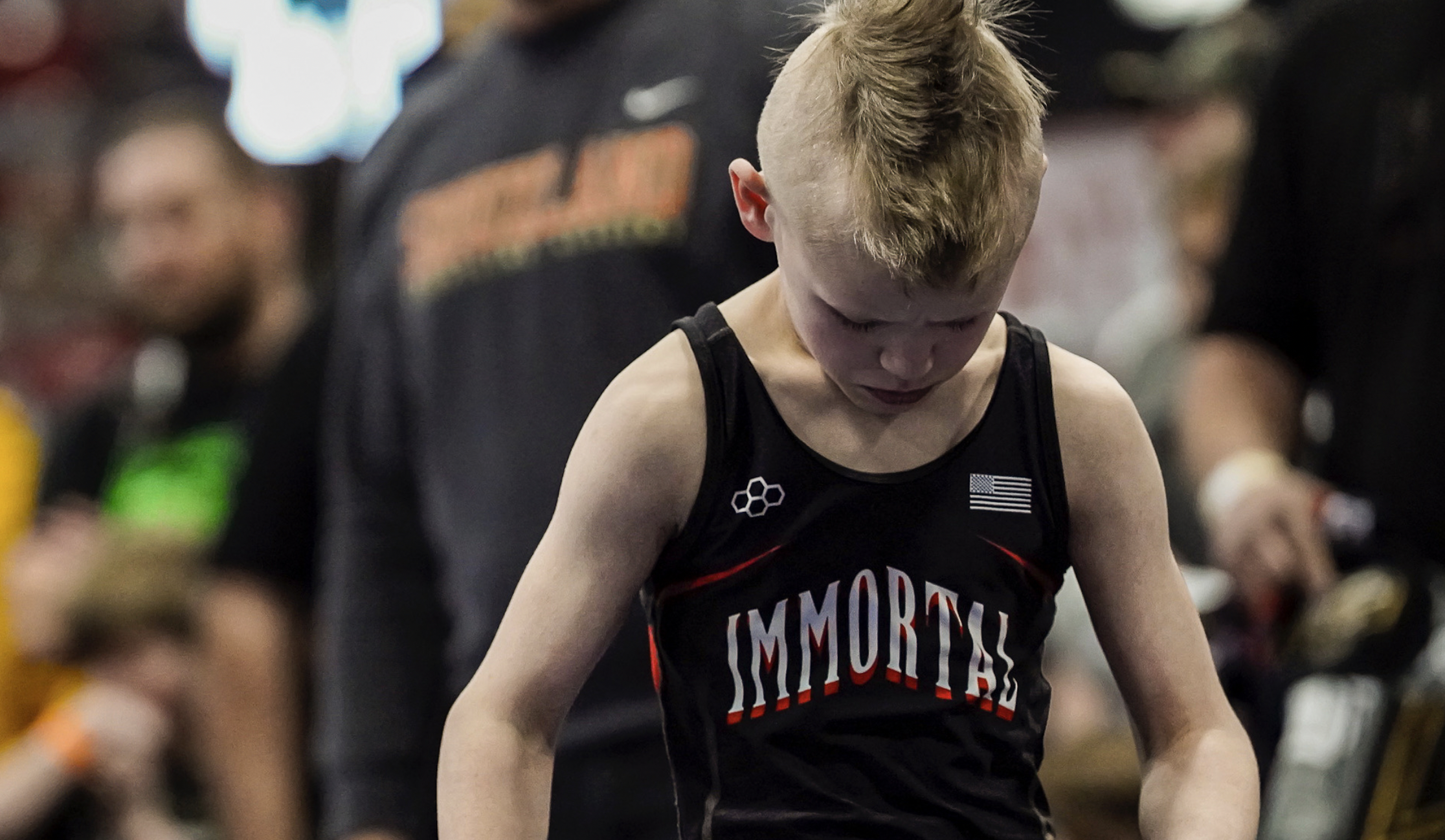
Wrestling is different from most youth sports. There’s no teammate to share the moment with, no lineup to blend into, no one else on the mat when the whistle blows. Every win and every loss belongs to the athlete alone.
Because of that, wrestling parents often feel results more deeply. When another child is winning matches and their own child isn’t, it’s easy to start comparing — and even easier to assume that struggling means it’s time to try a different sport.
But in wrestling, early results are one of the least reliable indicators of long-term success.
Wrestling Exposes Development Gaps Early
In team sports, size, speed, or early maturity can be masked by teammates. In wrestling, they can’t. A stronger or more physically mature child often has a huge advantage at young ages. That doesn’t mean they’re more talented — it means they’re further along in development.
Many wrestlers who struggle early simply haven’t hit their physical or emotional growth phase yet. Strength, coordination, confidence, and mat awareness all come at different times. Comparing two wrestlers at age 9 or 11 ignores the fact that they may be years apart developmentally.
Early Wins in Wrestling Can Be Misleading
It’s common to see youth wrestlers dominate early — often because they’re bigger, stronger, or more aggressive. But wrestling evolves quickly. As athletes grow, competition tightens, technique matters more, and effort alone isn’t enough.
Many early “stars” plateau when physical advantages disappear. Meanwhile, wrestlers who struggled early often surge once their bodies and minds catch up — if they’re still in the sport.
Wrestling rewards persistence more than early success.
Why Parents Misread Losing in Wrestling
Because wrestling is one-on-one, losing can feel like a personal failure instead of part of development. Parents see their child’s hand not being raised and assume:
-
They’re not good at wrestling
-
They’re falling behind others
-
Another sport might suit them better
But losing in wrestling often means a child is learning hard lessons: how to handle pressure, how to problem-solve mid-match, how to keep competing when things don’t go their way. Those lessons don’t show up on a bracket — but they shape better wrestlers long-term.
Switching Sports Because of Losses Sends the Wrong Message
Changing sports solely because a child isn’t winning in wrestling teaches an unintended lesson: that struggle means failure, and that success should come quickly.
Wrestling is supposed to be hard. It’s supposed to challenge kids mentally and physically. Avoiding that challenge doesn’t build confidence — working through it does.
When kids are allowed to stay, improve, and grow at their own pace, they develop resilience that carries far beyond the mat.
What Wrestling Kids Need From Parents
Wrestlers don’t need comparisons — they already feel enough pressure stepping on the mat alone.
They need:
-
Encouragement after losses
-
Praise for effort and improvement
-
Patience during long learning curves
-
Support regardless of the result
When parents shift the focus from wins to growth, kids stay engaged. And wrestlers who stay engaged almost always improve.
The Truth About Wrestling Success
Wrestling success is rarely immediate. It’s built through repetition, patience, and perseverance. Some of the best wrestlers were not youth standouts — they were kids who stayed in the room, stayed coachable, and trusted the process.
Before assuming your child should quit wrestling because others are winning, remember this:
In a one-on-one sport, development matters more than early results.
If a wrestler is showing up, working hard, and still willing to compete — they’re exactly where they should be.