


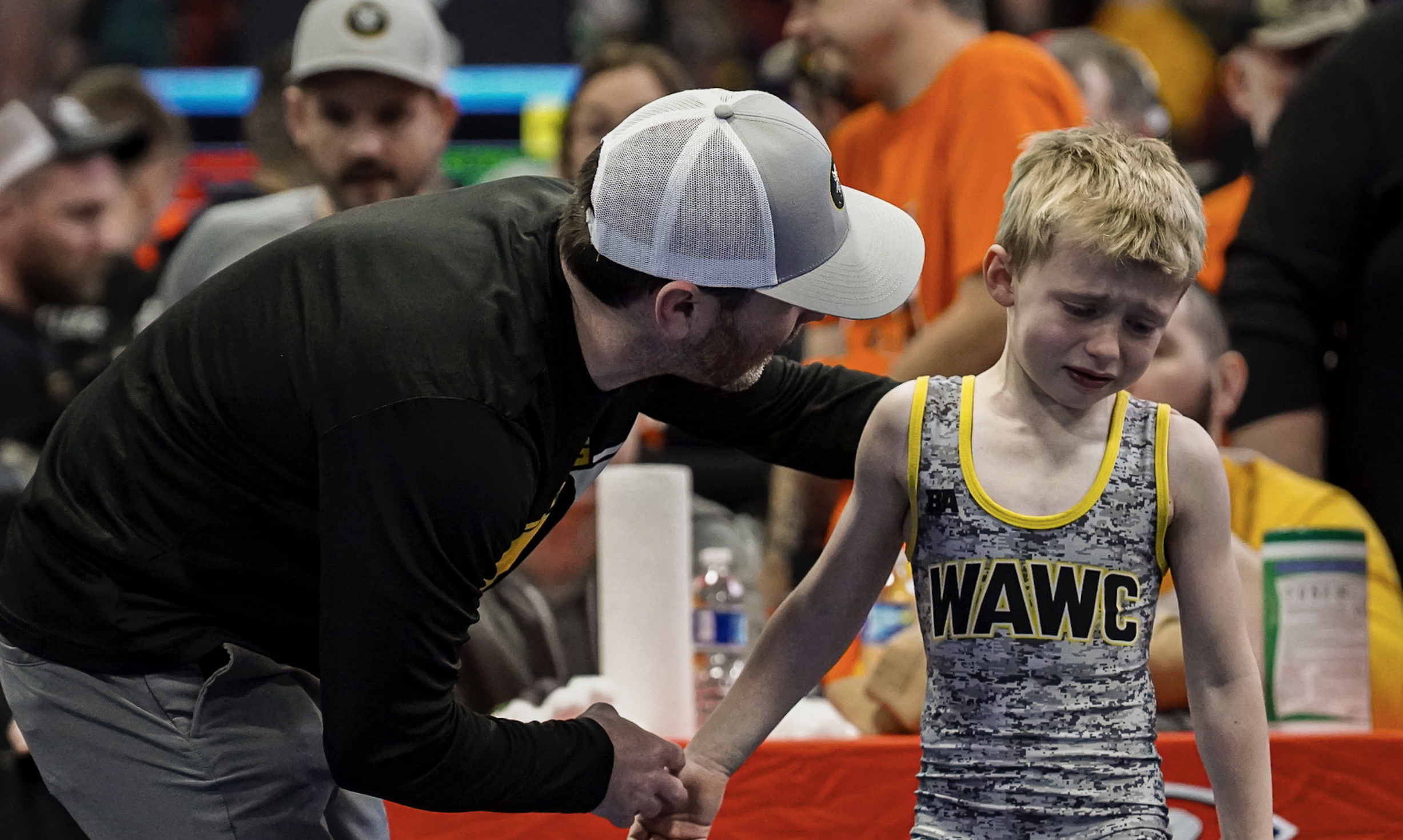
In youth wrestling — and youth sports in general — it’s common for parents to focus heavily on early wins, losses, and tournament results. A tough weekend or a slow season can feel discouraging, and it’s natural to wonder whether your child is “cut out” for the sport.
But the truth is simple: early performance rarely predicts long-term success.
Kids develop at drastically different rates. Some grow early, some grow late. Some pick up technique quickly, while others need time to understand the sport. Confidence, maturity, physical growth, and mental toughness all evolve on their own timelines. It’s not unusual for an athlete who struggled in elementary or middle school to become a successful, impactful competitor in high school.
Early Wins Don’t Define Potential — and Neither Do Early Losses
Many of the most successful high school athletes weren’t standout youth wrestlers. They were kids who kept showing up, stayed coachable, and gradually improved. The scoreboard at age 8, 10, or 12 is not an indicator of who they’ll be at 16 or 18.
Judging a child’s long-term future based on their first few years in the sport can lead to premature decisions that cut short their growth. Wrestling requires time: time to develop strength, time to build interest, and time to fall in love with the challenge.
What Parents Should Focus On
Instead of stressing over results, parents can make the biggest difference by focusing on:
-
Effort over outcomes
Celebrate improvement, not just medals. -
Encouragement during tough stretches
Hard seasons often produce the most growth. -
Staying positive
Children feed off their parents’ reactions, especially after losses. -
Long-term development
Physical and emotional maturity takes years. -
Keeping kids involved
Participation itself builds resilience, confidence, and discipline.
When kids feel supported rather than judged, they stay with the sport longer — and that’s when real progress happens.
Why Retention Matters in Every Sport
It takes more than a handful of standout athletes to build a strong wrestling room or a healthy youth sports community. Injuries, illness, growth spurts, and natural fluctuations can affect performance year to year. Teams need depth, and depth is built by keeping kids engaged — not allowing early setbacks to push them out.
Encouraging children to continue, even when it’s hard, teaches valuable life skills: persistence, patience, problem-solving, and the ability to bounce back.
The Bigger Picture
A positive youth sports experience isn’t measured solely by wins and losses. It’s measured by growth, confidence, friendships, and the lessons that last long after a child steps off the mat.
So when the tournament doesn’t go well, or when the season feels long, remember this:
Early struggles are not signs of failure — they are stepping stones toward future success.
If kids stay involved, stay supported, and stay patient, they often achieve far more than anyone expected. And even more importantly, they become stronger, more resilient young adults in the process.
[…] More » […]