


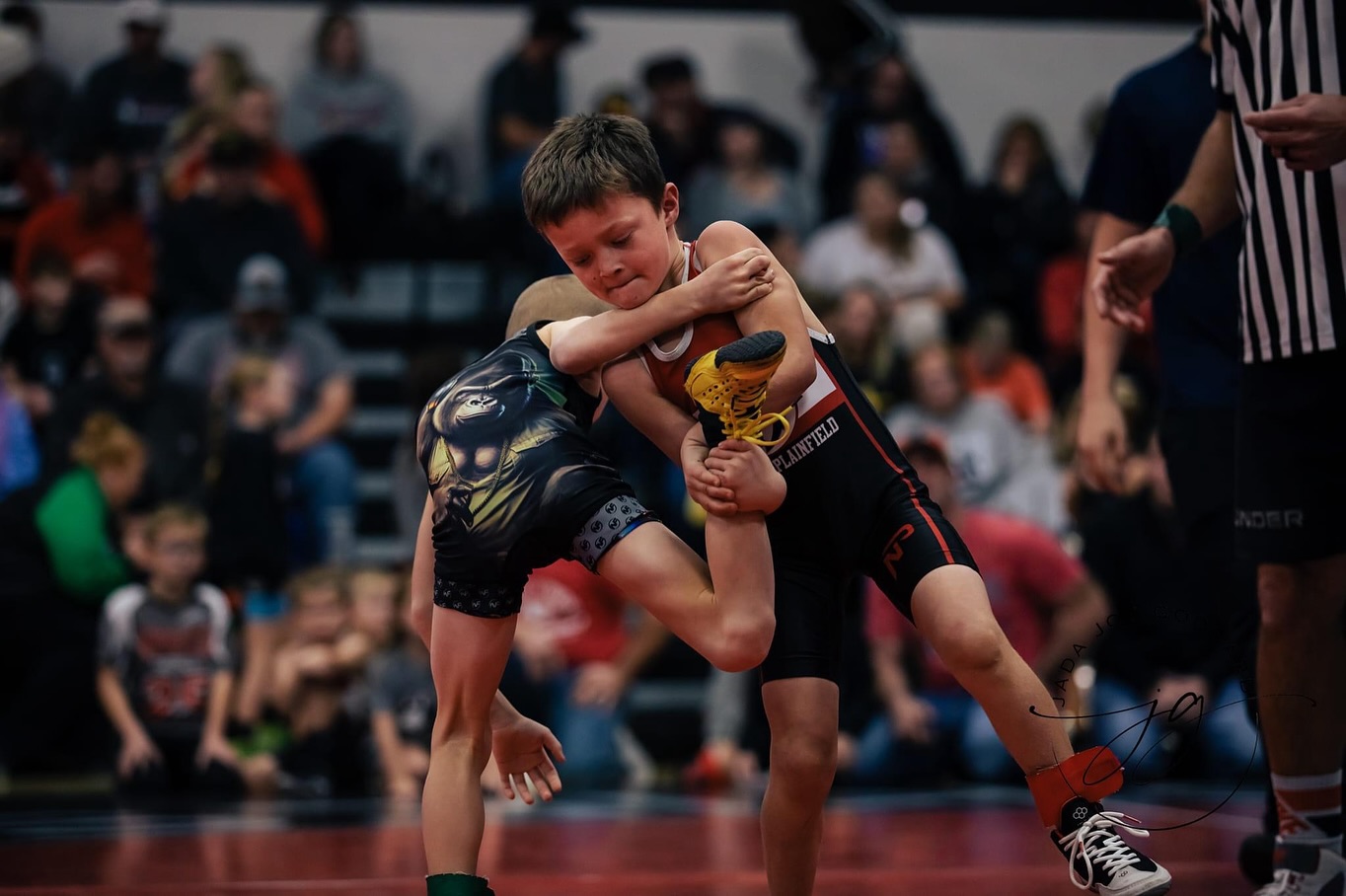
1. Focus on Having Fun First
Wrestling can be intense, so it’s crucial to make sure your child enjoys the sport. Emphasize the fun aspects—like learning new moves, making friends, and the excitement of competition—rather than just winning. A positive attitude will keep them engaged and coming back for more.
2. Gear Up with the Right Equipment
Make sure your young wrestler has the right gear before they start. Essentials include:
- Wrestling shoes: Lightweight and flexible for good grip on the mat.
- Headgear: To protect their ears and prevent injuries.
- Singlet or practice clothes: Some clubs have specific attire for practice and matches.
3. Practice Patience with the Learning Curve
Wrestling is a complex sport, and it takes time to learn the basics. Encourage your child to be patient as they master new techniques. Mistakes are normal—what’s important is the effort they put in and their willingness to learn.
4. Encourage Good Nutrition and Hydration
Even for young wrestlers, nutrition plays a big role in performance. Encourage them to eat healthy, balanced meals with lean proteins, whole grains, fruits, and vegetables. Teach them the importance of staying hydrated, especially during practice and matches.
5. Help Them Build a Consistent Routine
Consistency is key in wrestling. Help your child establish a regular practice and homework schedule so they can balance school, family time, and wrestling. A routine helps them build good habits and prepares them mentally for competitions.
6. Teach the Importance of Good Sportsmanship
From day one, emphasize that wrestling is about more than winning. Teach them to respect their opponents, coaches, and referees. Encourage them to shake hands before and after matches, win or lose, and to learn from every experience, whether it’s a victory or a defeat.
7. Attend Practices and Matches When Possible
Showing up for your child’s practices and competitions can boost their confidence. Seeing you on the sidelines cheering them on, even during tough moments, reinforces that you’re there to support them no matter what. If you can’t make it, a quick word of encouragement before or after goes a long way.
8. Expect Ups and Downs—And Stay Positive
Wrestling can be emotionally demanding, especially for beginners who might lose more matches than they win at first. Be prepared for ups and downs, and remain positive, even after a tough loss. Help your child focus on what they learned and what they can improve on for next time.
9. Conditioning Matters—Encourage Fitness Outside of Practice
Wrestling requires a combination of strength, endurance, and agility. Encourage your child to stay active outside of practice with exercises like running, stretching, bodyweight exercises, or even playing other sports. This keeps them in shape and ready for the demands of the mat.
10. Celebrate Effort, Not Just Wins
Make a point to recognize and celebrate your child’s hard work, regardless of the outcome. Highlight their persistence, courage, and any improvements they’ve made. Building their confidence through positive reinforcement will encourage them to keep trying and enjoy the journey.
Starting wrestling is a big step, but with the right support and encouragement, your young wrestler can thrive, enjoy the sport, and develop skills that will help them in all areas of life.